Do I Really Need New Gear? A Production Sound Mixer’s Ongoing Debate
Technology moves fast. Almost comically fast.
It sometimes feels like every few months the gear I’ve just invested in is replaced by a shiny new model boasting features I didn’t even know I was missing. Suddenly there’s a wireless mic system that can be tuned from an app on my phone from the other side of the set — whereas before, I had to physically walk over and access the device like some kind of prehistoric sound mixer.
Very tempting.
But professional film equipment isn’t exactly an impulse purchase. Each wireless transmitter I own costs close to $2,000. That’s not “upgrade on a whim” money.
That’s “serious internal budgeting discussion” money.
So the question inevitably becomes:
At what point is new gear actually necessary?
The Myth of “Latest and Greatest”
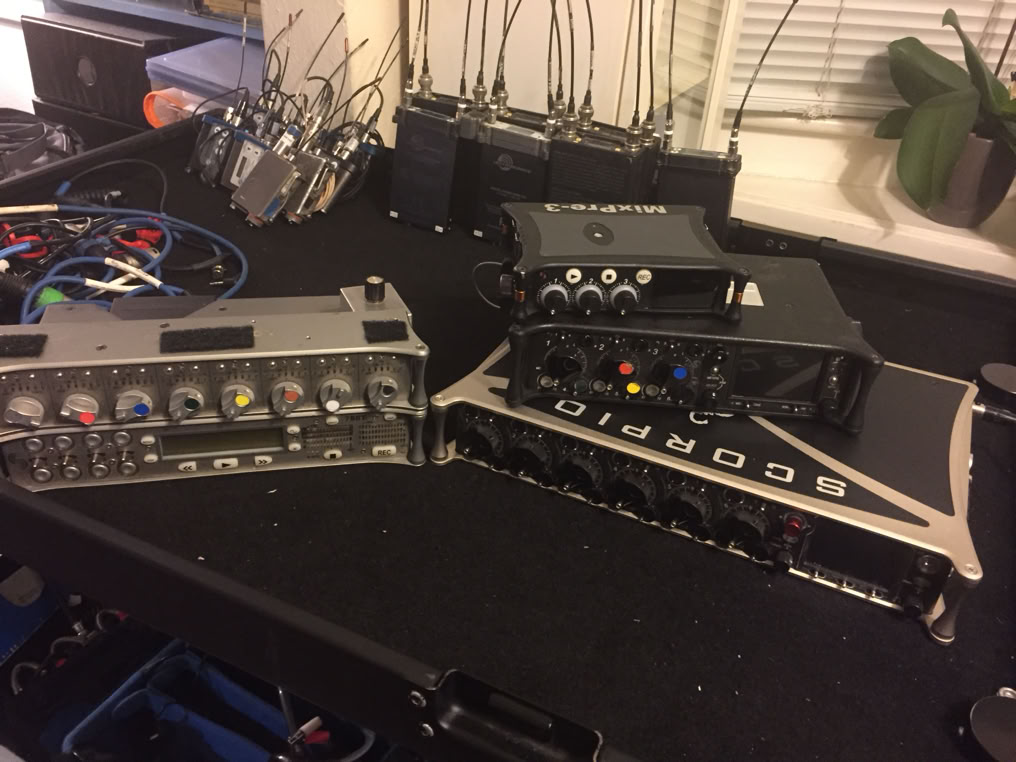
My primary recorders are Sound Devices 8-Series machines — an 833 and a Scorpio. Fantastic tools. Modern, powerful, incredibly capable.
But until fairly recently, I was perfectly happy running my trusty 788T.
That recorder is battle-tested, still sounds excellent, and continues to live in my kit as a backup. The recordings it produces are just as usable. Post-production doesn’t suddenly reject .wav files because they weren’t captured on the newest flagship device.
Clean audio is clean audio.
Properly leveled files with solid timecode are what matter.
Not the age of the box they came from.
Why I Actually Upgraded
When I purchased the 833, it wasn’t about chasing the newest toy.
It was about practicality.
The 833 is smaller and lighter than the 788T, which makes a real difference for run-and-gun documentary work. Yes, it has two fewer inputs, but for many shoots, mobility outweighs channel count.
The Scorpio, on the other hand, came into my world through one of those rare industry moments you don’t ignore.
I found a deal on a barely used unit — Sound Devices’ flagship recorder — being sold by a mixer transitioning to a different platform. I rarely buy second-hand gear. Film equipment often lives a hard life, and warranties bring peace of mind.
But this particular machine had been used on a single studio project.
For the price?
A no-brainer.
What Actually Improves (and What Doesn’t)
There’s undeniably a baseline level of equipment required to do the job professionally. Reliability, workflow compatibility, deliverables — those are non-negotiable.
But beyond that threshold, upgrades become more nuanced.
Recorders?
Post cares about clean files, stable timecode, proper metadata.
Wireless systems?
Yes, newer digital transmitters can offer improved RF stability in increasingly crowded wireless environments. That’s a meaningful advancement.
But pure sound quality?
Often not dramatically different.
We’re usually talking refinement, not revolution.
The Hidden Cost of New Gear
Every new piece of equipment comes with something no one talks about in the marketing brochures:
A learning curve.
New menus.
New workflows.
New quirks hiding three layers deep in submenus.
It’s not like you can buy a new recorder and confidently take it to set the next morning. Productions are not known for their patience when you’re fumbling through settings while the first shot is waiting.
“Just give me five minutes while I figure out timecode” is not a sentence anyone wants to hear at call time.
So your old gear inevitably stays in service until you’ve spent enough quiet hours with the new toy to truly understand it.
And that takes time.
Familiarity vs Novelty
Over the years, I’ve realized something important:
Well-maintained professional equipment lasts a very long time.
That’s why it’s expensive.
Often, it’s better to be deeply familiar with your tools — knowing every shortcut, every nuance, every workaround — than constantly adapting to new interfaces.
Efficiency on set rarely comes from new features.
It comes from mastery.
When New Gear Does Make Sense
These days, I try to keep my upgrade logic brutally simple. I buy new equipment when:
• It genuinely makes my job easier
• It represents a noticeable improvement
• I need to expand my inventory for larger jobs
• Workflow standards have changed
• Something needs replacing anyway
Not when I’m just feeling gear envy at the craft services table.
Because Yes… We All Nerd Out
Film crews love gear talk.
“Have you seen that new Sennheiser system?”
“What about Sony’s latest camera?”
“These new Aputure lights are insane…”
Sometimes it feels like half of set conversation is just professionals collectively enabling each other’s future purchases.
And don’t get me wrong — I love gear. I genuinely enjoy the technology side of this business.
But every upgrade has a cost beyond the invoice.
The Cycle We All Recognize
If we’re being honest, there’s a familiar loop many freelancers fall into:
Buy gear → Work → Earn money → Buy more gear → Work → Earn money → Buy more gear…
On and on.
At some point, you have to ask:
Am I running a career… or funding a collection?
A Perspective Shift
During COVID, like many people, I found myself reassessing priorities.
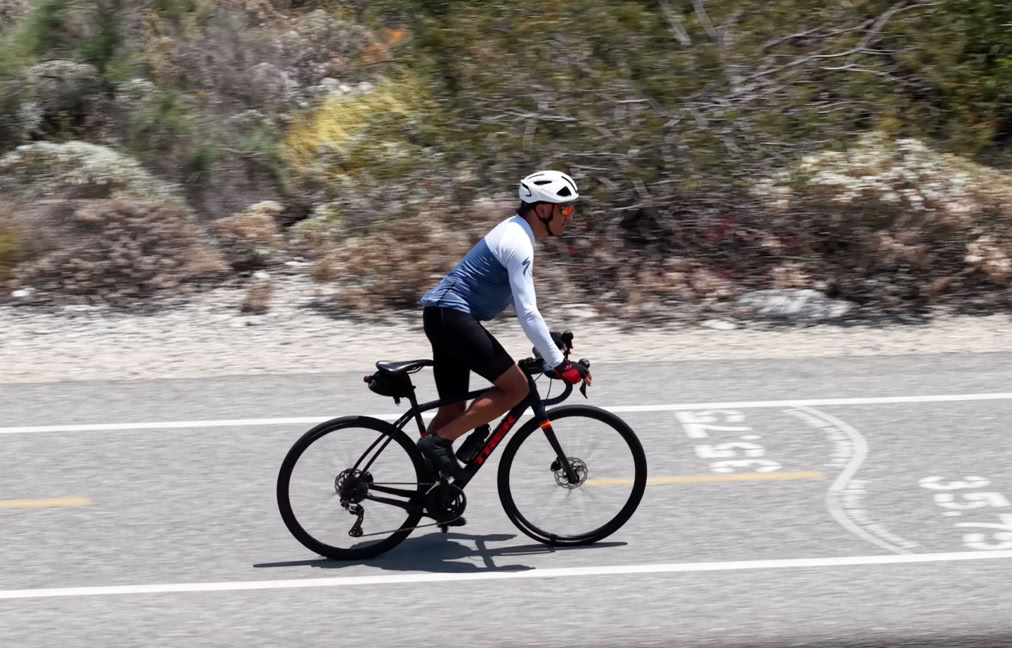
Instead of upgrading equipment, I bought a carbon fiber road bike.
It was not cheap.
But here’s the surprising part:
That bike has brought me more joy than any piece of work equipment ever has.
Of course, it was production sound that paid for it — but replacing a perfectly functional mic kit wouldn’t have meaningfully changed my day-to-day life.
The bike did.
Massively.
The Real Upgrade Question
New gear is exciting.
Necessary upgrades are real.
Technology absolutely matters.
But experience has taught me this:
It is completely okay not to own the newest equipment.
Productions care about results.
Post cares about deliverables.
Clients care about reliability.
And I care about building a sustainable career and a life outside of work.
Because in the end, the goal isn’t to endlessly acquire equipment.
It’s to do great work — with tools that already work perfectly well — while still enjoying the things that make life richer beyond the set.
Martin Kittappa is an Emmy nominated production sound mixer and certified drone pilot with 20+ years experience working on film and TV productions around the world. A self proclaimed tech nerd. Lover of heavy metal music an avid runner, cyclist and a moderately good skier You can also check out out his YouTube Channel ‘The Full Later life’
Capturing sensitive stories
Why I love working in film
© Martin Kittappa Production Sound 2026