The Myth of Loving Every Day
It’s often said that if you love your job, you’ll never work a day in your life.
I’ve never really subscribed to that idea.
Every job — even the good ones — has great days, rough days, and plenty of days that fall somewhere in the middle and are just ‘meh’. Film work is no exception. Long hours, tight schedules, unpredictable environments, and a constant rotation of personalities mean that some days feel energizing, while others feel like an absolute grind.
There are shoots where everything clicks — good crew, good energy, good project — and you drive home buzzing. And then there are days where you wrap after fourteen hours in less-than-glamorous conditions, tired, dusty, maybe slightly sunburned, working on something you wouldn’t exactly choose to watch in your spare time.
That’s just the reality of the job.
Work Is Still Work
Life doesn’t pause just because you enjoy your career.
I have a wife I love spending time with. I run marathons. I cycle. I ski. I love live music and enjoying supporting my favorite sports teams… ‘Come on You Spurs!’ … Sometimes I just want to travel or go to an event without monitoring it all day in a set of headphones, thinking about RF interference or identifying the source of every noise in the area. Even when you genuinely love what you do, there are days when work is still… well, work.
But here’s the thing.
Even on the toughest days — the early call times, the gear-heavy travel days, the shoots that push into hour thirteen when everyone is running on fumes — I’d still take this over an eight-hour day in a cubicle or doing something that doesn’t spark my interest.
Not because those jobs are lesser. They’re not.
We’re all wired differently.
Why Film Work Feels Different
For me, there’s something uniquely satisfying about being part of a creative process that is inherently collaborative.
Unlike a painter creating alone in a studio somewhere, film production isn’t a solo pursuit. It’s a team sport. Every department, every role, every small contribution stacks together to bring something into existence that simply wouldn’t exist otherwise.
And my small corner of that world is sound.
Helping People Tell Stories
At its simplest level, my job is to help people tell stories.
Sometimes those stories are fictional. Sometimes they’re deeply personal. Sometimes they’re commercial, corporate, educational, dramatic, emotional, funny, or completely unexpected. Whether it’s a feature film with a big crew and A- list actors, a documentary about someone’s experience, branded content, or a presentation by a company CFO explaining quarterly results to investors that I may or may not personally find thrilling, there’s always a story being told.
Even when the subject matter isn’t exactly gripping.
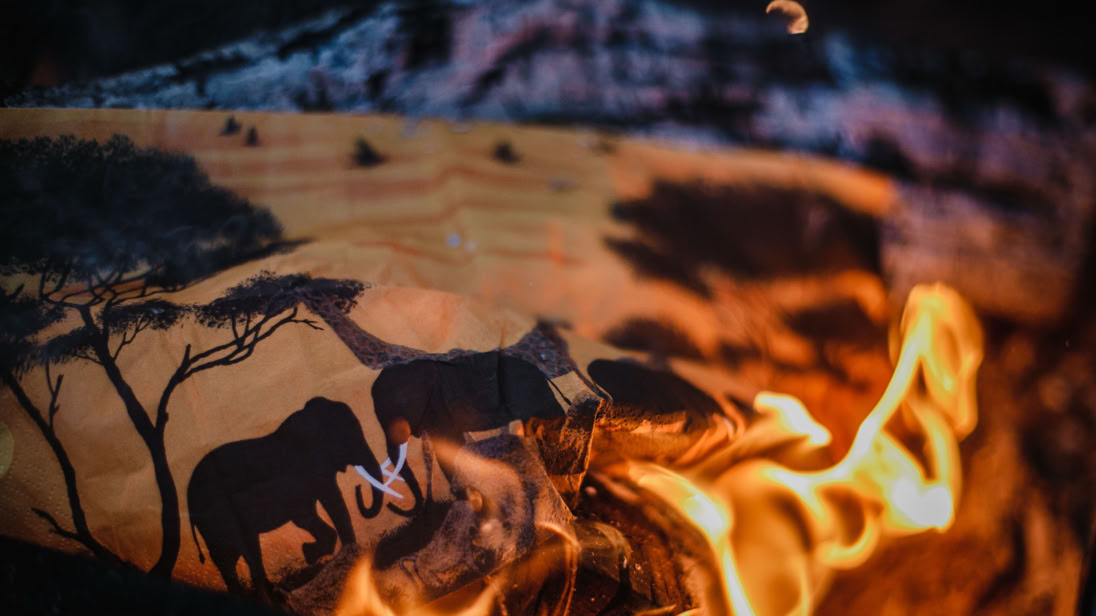
The Campfire Connection
When you strip away the cameras, lighting rigs, microphones , and hard drives, filmmaking is really just a modern version of something humans have always done.
Long before screens and speakers, people gathered around campfires to share experiences, pass down knowledge, entertain, warn, and inspire.
Stories are how we’ve always made sense of the world.
Working in film often feels like a high-tech continuation of that same tradition. My role may be operating a mixer-recorder instead of gathering logs for the fire, but the purpose isn’t all that different — helping create the space where stories can be heard, preserved, and shared.
Listening to the Unfiltered Moments
Because beyond the gear and the long hours, what keeps me engaged isn’t just the technical side of sound — though I genuinely enjoy that — it’s the access.
On documentaries, I hear full, unfiltered conversations with people who have lived extraordinary lives. On narrative projects, I hear scripts transform as directors and actors shape performances. Even on commercials, there’s often a fascinating backstory behind the product or brand that you’d never guess from the finished thirty-second spot.
Being the sound mixer means I get to sit at the intersection of all of it.
Listening.
Observing.
Quietly participating.
No Two Days Ever Look the Same
There’s also something grounding about the unpredictability of the work.
One week might involve filming executives in polished boardrooms. Another might mean hauling equipment across uneven terrain, battling wind, dust, or freezing temperatures. I’ve carried gear through airports, across cities, onto boats, up mountains, and yes — even navigated snowy slopes while trying not to destroy expensive equipment.
No two days ever look quite the same.
And despite the occasional exhaustion, that variety is addictive.
Respecting Every Story
Of course, not every project resonates personally.
A finance presentation about profit margins is unlikely to stir the soul in the same way as a documentary about someone changing lives, or a film built purely to entertain. But part of working in this industry — part of being a professional — is understanding that every project matters deeply to someone.
To the director.
To the client.
To the subject.
To the audience.
So my goal is simple: treat every storyteller, every production, every project with the same level of care and respect, regardless of my personal attachment to the material.
Because whether a story lives for a brief moment or endures for decades, it still deserves to be told properly.
Why I Keep Coming Back
When I step back and look at it that way, it’s hard not to feel grateful.
Tired sometimes?
Absolutely.
Frustrated occasionally?
Of course.
But bored?
Almost never.
And that, more than any romantic slogan about loving your job, is probably the real reason I keep coming back.
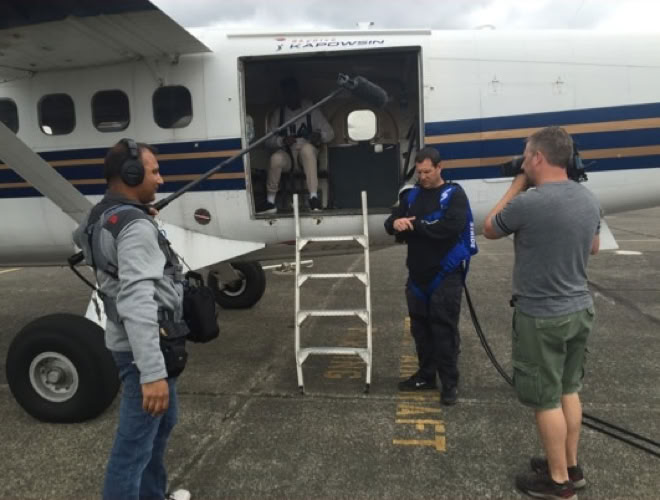
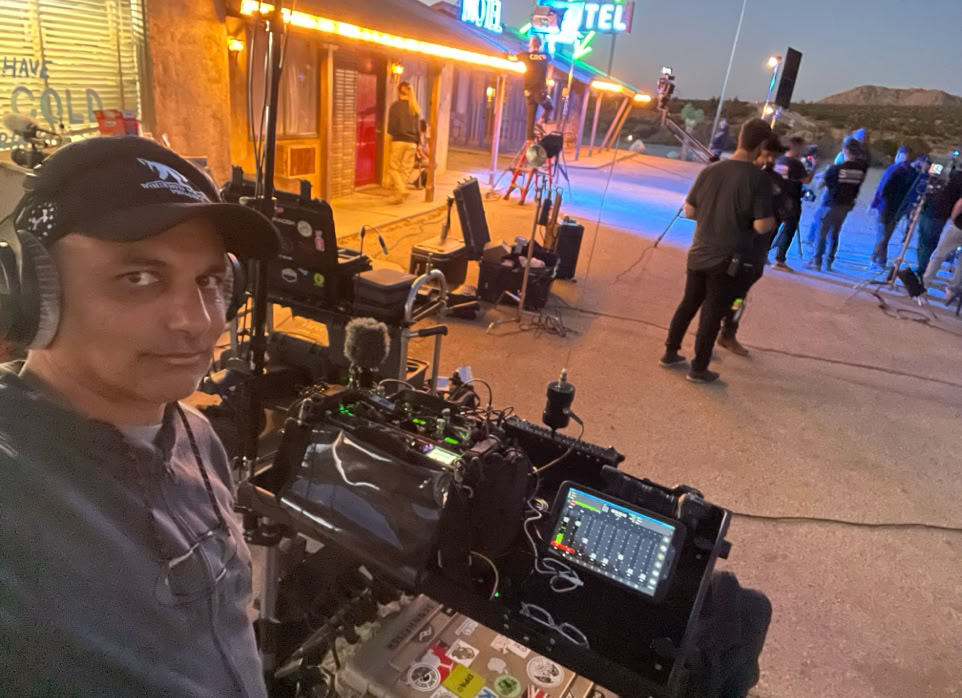
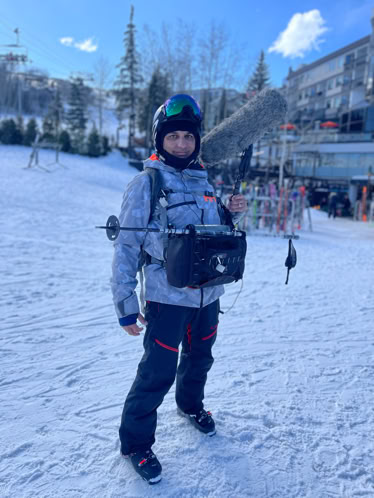
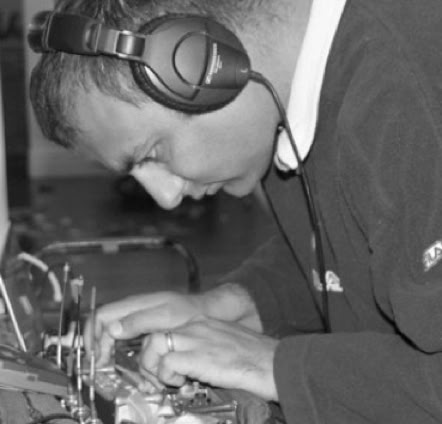
Martin Kittappa is an Emmy nominated production sound mixer and certified drone pilot with 20+ years experience working on film and TV productions around the world. A self proclaimed tech nerd. Lover of heavy metal music an avid runner, cyclist and a moderately good skier You can also check out out his YouTube Channel ‘The Full Later life’