Working With Stories That Matter: A Sound Mixer’s Perspective
One of the true privileges of my work is having clients who trust me enough to make me their first call — no matter where in the world a shoot takes place. That kind of trust is never something I take lightly. It becomes even more meaningful when working on projects involving deeply personal stories, particularly for organizations like the Wounded Warrior Project.
They provide programs, services, and support for U.S. combat veterans who have been injured while serving their country. Many of the individuals we meet carry physical and psychological scars that few of us can truly comprehend. Every shoot is a reminder that while we work in media, we’re often stepping into very real, very human experiences.
In another post, I might talk about the activities we film — skiing, cycling, outdoor programs, and the many ways veterans reconnect with life and community. But this time, I want to focus on something else:
How do you approach filming when the person in front of the camera isn’t a performer, but someone who has lived through trauma?
Entering Someone’s World
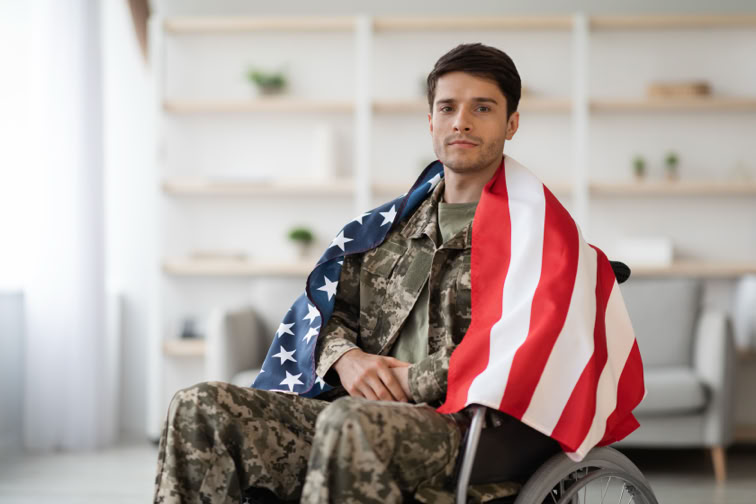
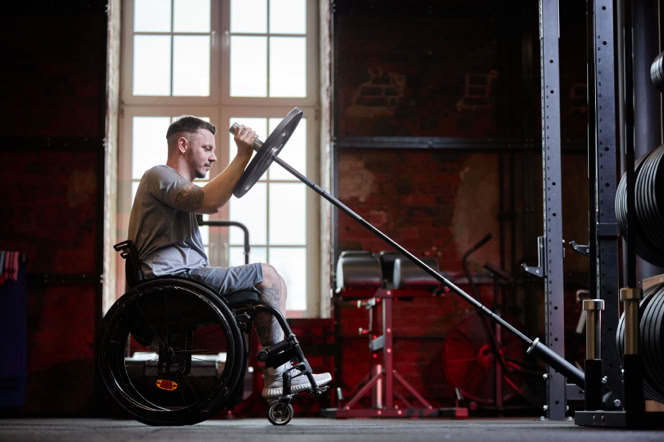
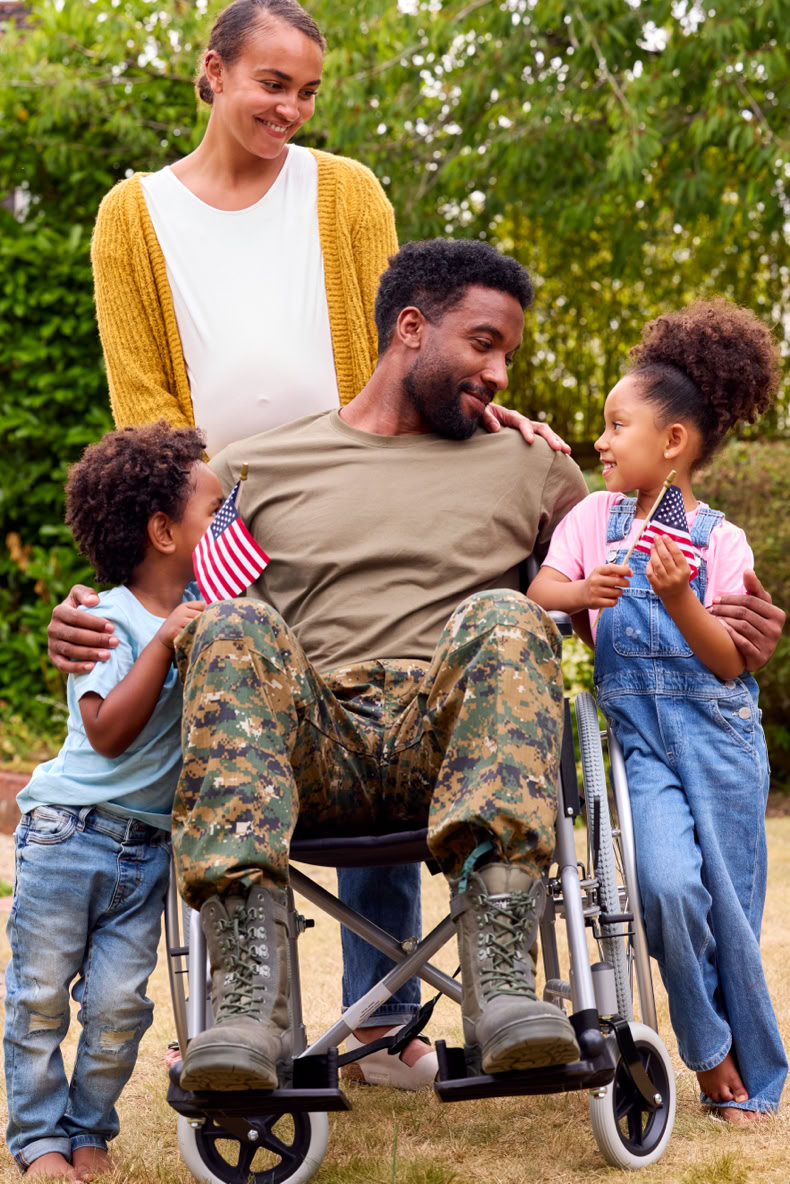
Out of respect for privacy, I won’t mention veterans by name, and any photos will be stock images and not pictures that identify anyone in particular. Many choose to live quietly, often in small communities far from the major production hubs. These shoots frequently take us to what the industry casually calls the “flyover states” — places that don’t make headlines but are home to extraordinary people.
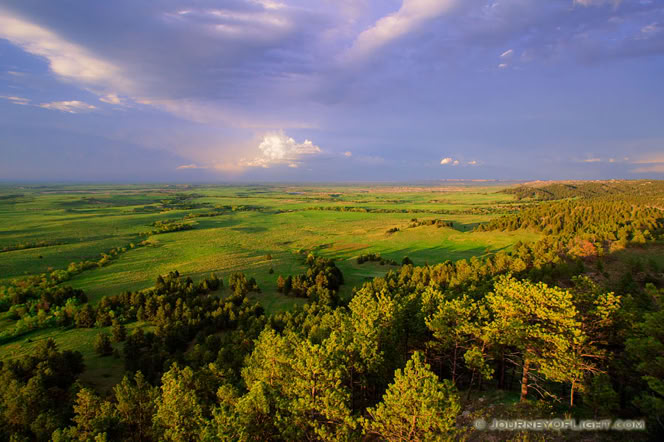
I recently returned from a shoot in Nebraska. We’d flown in the day before to spend two days with a veteran whose Humvee had been struck by an IED during deployment, resulting in severe, life-altering injuries. The client had briefed us beforehand, as they always do. The individual had been carefully vetted, prepared, and had agreed to share his story. Even so, nothing quite prepares you for that first moment when the door opens.
No amount of pre-production paperwork replaces the reality of meeting someone whose life has been permanently altered by events most of us have only seen depicted on screen.
A Different Kind of Awareness
Earlier in my life, I worked as an EMT in the UK. That experience exposed me to people with all kinds of injuries. But there’s a fundamental difference between emergency medical work and documentary filming.
As a first responder, your job is to stabilize, transport, hand off. You’re dealing with immediate needs in real time. You’re not spending hours — or days — building rapport.
On these shoots, you are.
And while my EMT background certainly helped shape a calm and compassionate approach, filming requires a very different kind of awareness.
Slowing Down the Machine
Film crews, by nature, move fast.
We load in equipment, open cases, set up gear, solve problems, chase light, manage schedules. It’s a rhythm built around efficiency. But when working with veterans managing PTSD or other trauma-related conditions, that rhythm has to change.
We slow down.
Loud noises, sudden movements, unfamiliar activity — things that barely register on a typical set — can carry very different weight in this environment. Even the simple sound of a flight case snapping open can resemble something else entirely to someone whose past experiences are wired differently.
Thankfully, issues are rare. The veterans we work with are prepared, supported, and often far along in their recovery journey. But PTSD management is lifelong, and unpredictability is part of that reality.
As crew, our job is not just technical.
It’s behavioral.
The Sound Mixer’s Unique Role
As the production sound mixer, I typically hang back during initial introductions. That’s standard practice whether working with actors or documentary subjects, but here it serves an additional purpose: avoiding overwhelm.
Later, though, my role becomes one of the most physically interactive on set.
Productions generally prefer not to see lavaliere microphones on camera, which means mics are carefully hidden beneath clothing. That process requires working in close proximity to talent — adjusting placement, managing cables, ensuring comfort while maintaining audio quality.
With experienced actors, this is routine.
With first-time documentary subjects, it requires sensitivity.
With veterans who may carry layers of physical or emotional trauma, it requires even more care.
Comfort Is Part of the Job
Some people simply don’t like being touched. Others may have specific physical sensitivities.
On this Nebraska shoot, the veteran was completely comfortable wearing a lav mic. He just preferred to thread the cable down his shirt himself. Not out of discomfort — but because years after his injuries, certain areas of his torso remained tender.
That was perfectly fine.
My job isn’t to insist on a process. It’s to get great sound while respecting the person wearing the microphone. He understands his body far better than I ever could.
Similarly, on a previous shoot with a female combat veteran, clear communication made all the difference. By simply explaining what I was doing and why, the process became collaborative rather than invasive.
And like any good production workflow, there are always backup plans:
Plan B: Talent self-mics
Plan C: Boom mic only
Because if someone is uncomfortable, the camera will see it — and the audience will feel it.
Seeing the Human, Not the Injury
Over the course of two days in Nebraska, we captured interviews, family moments, and scenes from daily life — including some excellent footage involving a very enthusiastic dog.
We got great content.
But more importantly, we shared a respectful, positive experience with someone who had already endured more than most.
His military service may be over, yet by allowing himself to be filmed, he continues serving others — helping fellow veterans, supporting the organization, and contributing to stories that genuinely matter.
For my part, the guiding principle is simple:
See the humanity, not the injury.
Do the job well. Communicate clearly. Move thoughtfully. Respect the space you’ve been invited into.
Because in the end, production sound isn’t just about capturing audio., It’s about working with people.
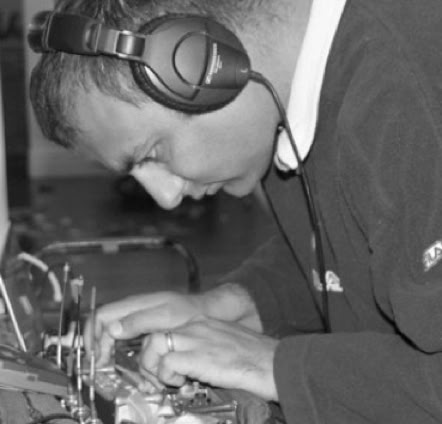
Martin Kittappa is an Emmy nominated production sound mixer and certified drone pilot with 20+ years experience working on film and TV productions around the world. A self proclaimed tech nerd. Lover of heavy metal music an avid runner, cyclist and a moderately good skier You can also check out out his YouTube Channel ‘The Full Later life’
The Reality of Film Travel
To buy or not to buy
© Martin Kittappa Production Sound 2026