Navigating Low Budget Productions as an Experienced Production Sound Mixer
Over the years, I’ve worked across the full spectrum of production—everything from multi-million dollar studio shows to small independent films scraping together whatever resources they can find. No matter the size of the project, my approach remains the same: I treat every job with the same level of respect, care, and professionalism, whether it’s destined for a global audience or a small festival run.
That said, low budget productions do raise an important—and often debated—question in our industry.
The Two Schools of Thought
When it comes to working below standard rates, there are generally two camps.
The first is firm: hold the line.
The argument is that accepting lower pay contributes to a race to the bottom. If crew consistently agree to reduced rates, productions will begin to expect it, and over time, standards erode for everyone.
The solution? Never work for less than the established union or industry rate.
The second view is more pragmatic: this is a free market.
Productions are under constant pressure to reduce costs, and if you turn down a job, someone else will likely take it. From this perspective, flexibility is simply part of staying competitive.
Personally, I think the reality sits somewhere in between.
A More Nuanced Reality
On fully funded productions, there’s no excuse—crew should be paid properly. In fact, it’s in production’s best interest. As the saying goes: buy cheap, buy twice. Hiring an inexperienced sound mixer might save money upfront, but poor audio can lead to costly fixes in post—or worse, reshoots.
But independent filmmaking is a different world.
There are productions out there that have fought tooth and nail just to get any funding. These aren’t backed by major studios—they’re driven by passion, persistence, and often personal sacrifice. The producer or director might be driving a 2012 Toyota Corolla, not a studio-leased luxury SUV.
So the question becomes: should those two productions be treated the same?
In most industries, pricing is fixed. A latte at your local coffee shop costs the same whether you’re a student or a billionaire. But filmmaking isn’t most industries. If everyone only worked at top-tier rates, many independent films simply wouldn’t exist—and with them, countless unique voices and stories would be lost.
Would emerging filmmakers ever break through under those conditions? It’s hard to imagine.
Finding My Line
Over time, I’ve developed a more flexible approach—but within clear boundaries.
I have a personal “line in the sand” when it comes to low budget rates, and I revisit it regularly based on the cost of living and the realities of running a professional sound business. My equipment is expensive to purchase, maintain, and upgrade, and my experience has value.
There’s also the question of time.
When I commit to a lower-budget project, I’m often turning down higher-paying work. And once I’m committed, I’m committed. It’s not always easy to find trusted cover at reduced rates, so every decision has to be weighed carefully.
Not All Low Budgets Are Equal
One of the biggest lessons I’ve learned is that there are two types of low budget producers:
Those who pay as much as they can afford
…and
Those who pay as little as they can get away with.
Interestingly, the dollar amount offered can be exactly the same.
The difference lies in respect.
Producers who genuinely value their crew will make sure you have what you need to do your job properly. They’ll provide decent catering, keep craft services stocked, respect turnaround times, and avoid excessive overtime. Most importantly, they’ll pay invoices promptly.
On the flip side, productions that cut corners everywhere tend to show it across the board—poor planning, long hours, bad food, and often delayed payments.
The Importance of Getting Paid
If there’s one thing that matters above all else on a low budget production, it’s this:
Pay your crew on time.
At the very least, that means within 30 days of invoicing—ideally sooner, weekly if possible.
No one gets into this industry to chase invoices. Yet it’s something most of us have had to deal with at some point. A production that pays reliably earns trust—and that goes a long way.
I will go the extra mile for productions that are clearly doing their best with what they have. I want to see those filmmakers succeed. And while I’m realistic about how the industry works—success doesn’t always mean bringing the same crew along—it’s still rewarding to be part of someone’s journey early on.
I’ve been fortunate enough to see a few collaborators grow in their careers, and it’s something I take pride in.
That said, for productions that consistently underpay and undervalue crew, I remain cautious. I’ll always do a professional job—that’s non-negotiable—but I’m far less likely to return.
Why Low Budget Films Still Matter
Some of the most meaningful projects I’ve worked on have been low budget films—projects where I earned a fraction of my usual rate but gained something far more valuable in return.
If the industry only produced big-budget, formula-driven content, it would be a much duller place. Independent films are where new voices emerge, where risks are taken, and where truly original stories are told.
I’m proud to have played a role in bringing some of those stories to life.
Because at the end of the day, if a story is worth telling, lack of money shouldn’t be the thing that stops it.
A Simple Expectation
Working as a production sound mixer is how I make my living—and how I build my own life story.
Your passion project is your passion project, and although I can never be as passionate about the story as you are, I’ll treat it with the same level of care and professionalism as any major studio production.
All I ask in return is simple:
Respect the craft. Respect the crew. Respect the time.
Do that, and you’ll get my very best—every time.
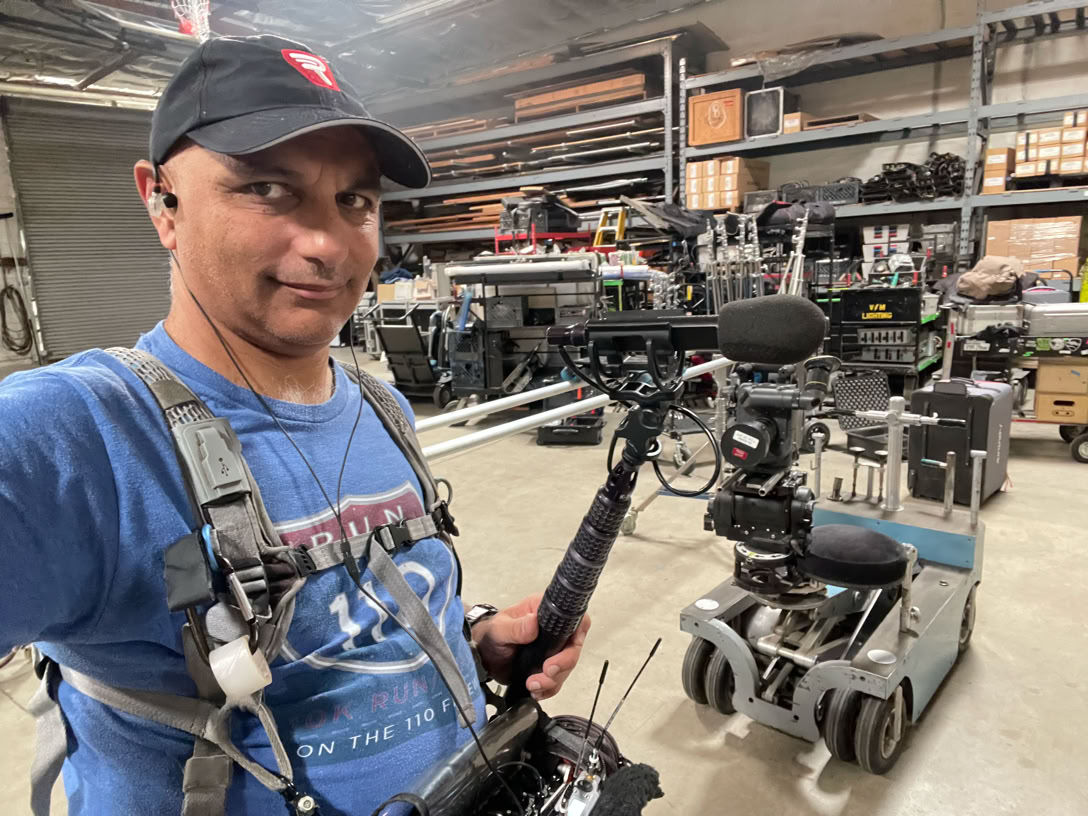
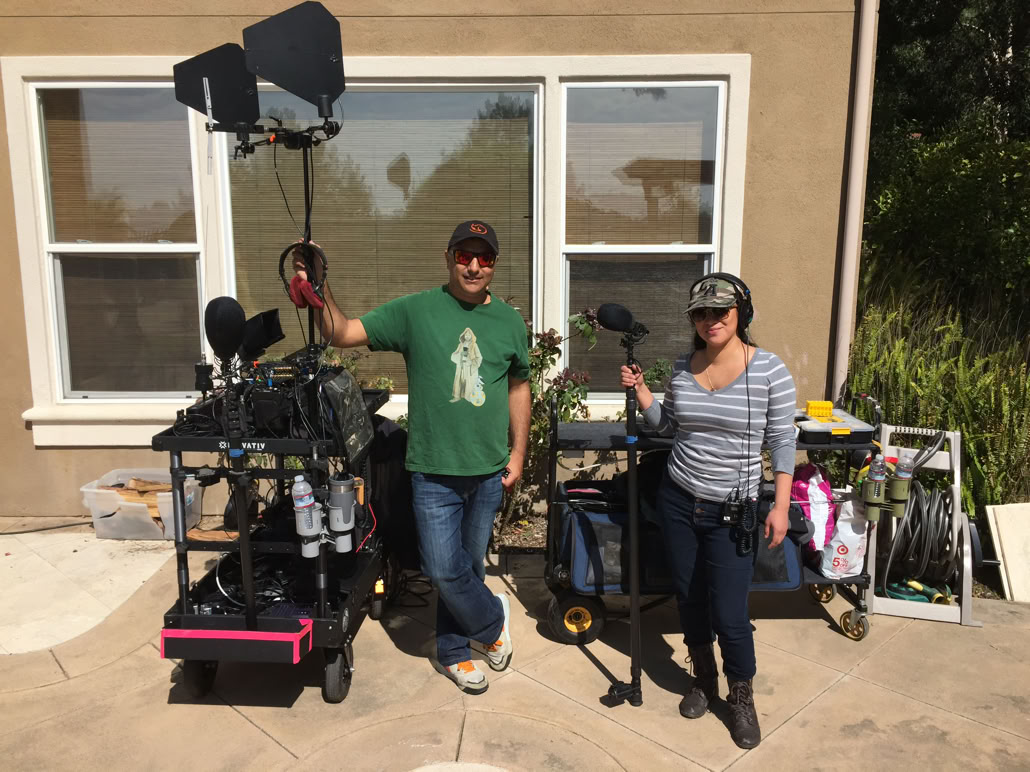
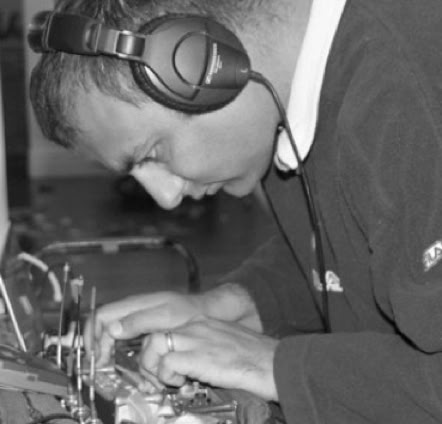
Martin Kittappa is an Emmy nominated production sound mixer and certified drone pilot with 20+ years experience working on film and TV productions around the world. A self proclaimed tech nerd. Lover of heavy metal music an avid runner, cyclist and a moderately good skier You can also check out out his YouTube Channel ‘The Full Later life’